ChainMill
ChainMill

Steel Intelligence Briefing

The Week That Was — 3rd October, 2025

Mark Fluke
From Mark Fluke
Head of Trade & Customs

Steel's story this week is one of tightening corridors: trade measures becoming permanent architecture, energy economics driving uneven decarbonisation, and governments stepping deeper into the market. Companies are responding - some by securing resources for the long term, others by finding tactical ways to game today's rules.

News in Brief (TL;DR)

  • EU halves import quotas, adds 50% tariffs above cap — TRQs are now structural, not temporary (Reuters).
  • EU anti-dumping measures intensify, drawing sharp criticism from Japan (Reuters).
  • CBAM moves from paperwork to cost: certificates required from 2026, with anti-circumvention rules being drafted (Reuters).
  • Canada backs Algoma Steel with C$400m + Ontario's C$100m to shield capacity from tariff shocks (Reuters).
  • Thyssenkrupp ends EP talks; Jindal back in frame — M&A politics shift (Reuters).
  • UK Labour conference: Rachel Reeves promises "Buy British" procurement reform (Telegraph).
  • U.S. widens "derivative goods" tariff list, catching more products under the 50% duty (Yahoo Finance).
  • Nippon Steel buys 30% of Canada's Kami iron ore project, locking in high-grade supply (Reuters).
  • Tata Steel signs Dutch decarbonisation pact — progress where Germany falters (Reuters).
  • Tata buys slabs from British Steel — tactical workaround to beat Trump's tariff rules (Guardian).

Trade & Tariffs

  • EU Quotas and Tariffs: The EU's decision to halve quotas and impose 50% tariffs beyond cap is not a firefighting tool — it codifies protection.
  • U.S. Derivative Products Tariffs: The U.S. Commerce Department's expansion of "derivative" products under 50% tariffs confirms tariff creep.
  • Tata's Supply Chain Adaptation: Tata's purchase of slabs from British Steel to meet "melt & pour" origin rules is a vivid example of supply chains bending to survive.
  • Japan's Pushback on EU Anti-dumping: Pushback is mounting: Japan's steel body called EU anti-dumping measures "unjust".

Market & Production

  • Mills and buyers recalibrate volumes around quota windows and landed-cost volatility.
  • Expect tighter domestic supply and greater competition for "inside quota" allocation, amplifying the importance of customs competence and traceability.

Energy & Costs

  • Green Steel in Europe: The green steel map in Europe is diverging. Germany stalls (Salzgitter, ArcelorMittal), while the Dutch government strikes a decarbonisation pact with Tata Steel to keep IJmuiden moving.
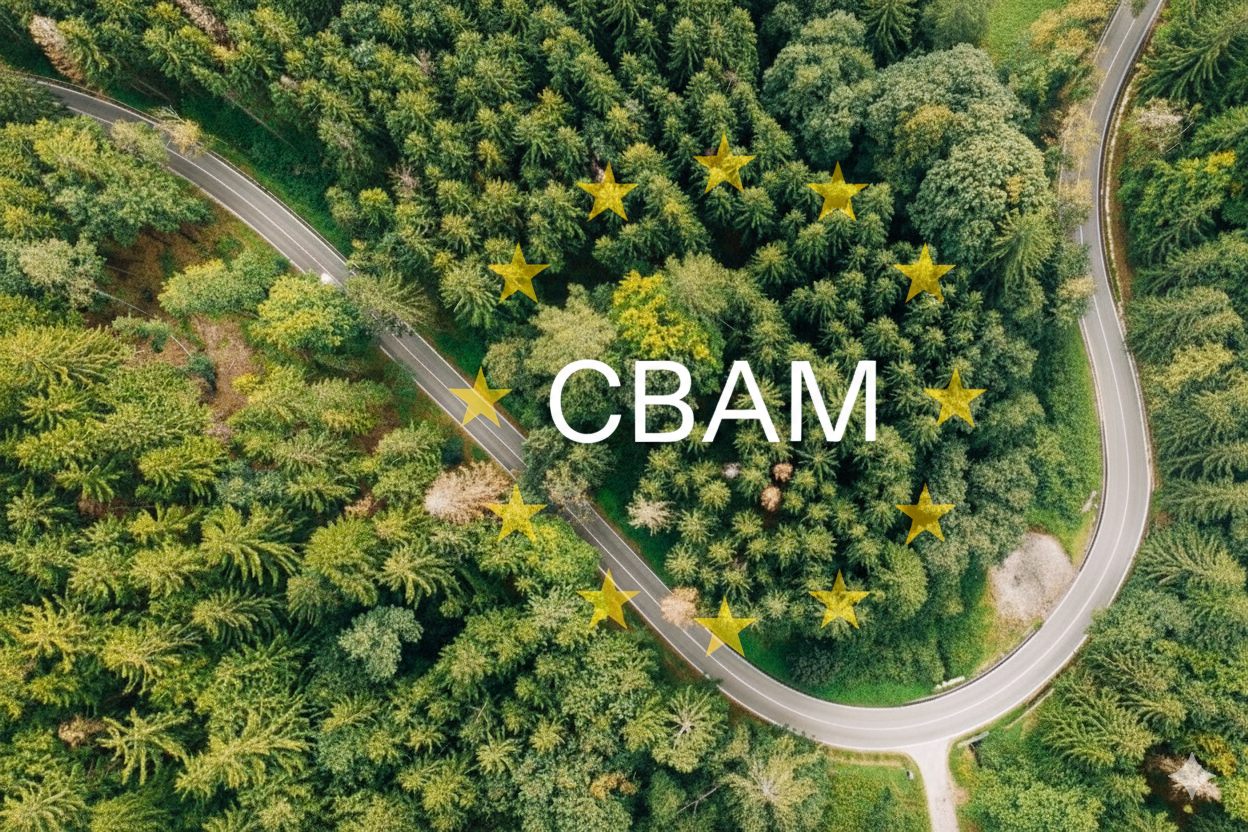
  • CBAM and Carbon Costs: CBAM's move to a paid certificate regime means embedded carbon becomes a line-item cost. Firms that cannot prove clean inputs will see competitiveness eroded.
  • Nippon Steel's Investment: Nippon Steel's 30% stake in the Kami project is as much an emissions hedge as it is about ore security.

M&A / Investment

  • Thyssenkrupp's pivot away from EP Group and back toward Jindal underscores how consolidation is being shaped by decarbonisation finance and policy exposure.
  • Canada's Algoma package is a reminder: when tariff shocks threaten capacity, governments will act.

Policy & Security

  • At Labour's conference, Rachel Reeves committed to reshaping procurement so that British steel is favoured in public contracts.
  • UK Steel and industry campaigners echoed this with "Buy British" messaging.
  • The Steel Industry (Special Measures) Act 2025 remains in force, framing steel as a strategic asset.

Our Analysis

Trade tools are no longer temporary.

With quotas cut and tariffs doubled above cap, the EU has institutionalised protection. Paired with U.S. tariff creep, this is not a phase - it's a new order. Those treating TRQs and duties as short-term disruptions risk chronic margin squeeze.

Procurement is becoming an industrial lever.

Reeves' "Buy British" pledge, if legislated, will steer real demand. Public projects could shift procurement logic: origin will be as critical as cost.

CBAM is turning compliance into cost.

Certificates and anti-circumvention rules elevate emissions data into a priced input. Those with traceable, cleaner supply chains won't just avoid penalties - they'll hold a competitive edge.

Decarbonisation is now political geography.

Germany stalls while the Netherlands advances; Canada bankrolls Algoma. National politics, not just EU ambition, now determines whether projects accelerate or falter.

Raw materials are the new security asset.

Nippon's Kami stake shows the scramble for high-grade ore. Those who secure inputs first will control the tempo of green steel.

Workarounds will proliferate.

Tata's slabs workaround proves firms will bend supply chains to tariff rules. Expect more manoeuvres - some innovative, some risky.

Governments will intervene.

Algoma shows the chequebooks are back. Expect conditional state support tied to jobs and decarbonisation.

Articles that may be of interest

UK CBAM

The UK CBAM: What businesses need to know to get ready

The UK government's green light for a domestic Carbon Border Adjustment Mechanism (CBAM) is a major step towards net zero by 2050. But who will it affect and how?
Read more →

Forward Signals (Next 4-8 Weeks)

  1. EU steel package details: carve-outs, enforcement, review cadence.
  2. U.S. "derivative goods" expansions - more product lines likely.
  3. Draft UK legislation on "Buy British" procurement rules.
  4. CBAM certificate pricing + anti-circumvention specifics.
  5. Jindal-Thyssenkrupp negotiations and political reaction.
  6. More upstream raw material stakes (iron ore, energy inputs).
  7. Green steel divergence: who follows Germany's stall vs the Dutch pace.

If you'd like to explore how these developments affect your supply chain or market strategy, let's connect.

Mark LinkedIn

ChainMill
Home Insights About Contact

© *|CURRENT_YEAR|* ChainMill · chainmill.io
info@chainmill.io

Sent by ChainMill · *|LIST_ADDRESS|*
You can unsubscribe or update your preferences at any time.